The Porch Light Is a Trap, and Frankly We're Tired of Explaining It
By Mothew Lumens, Field Correspondent
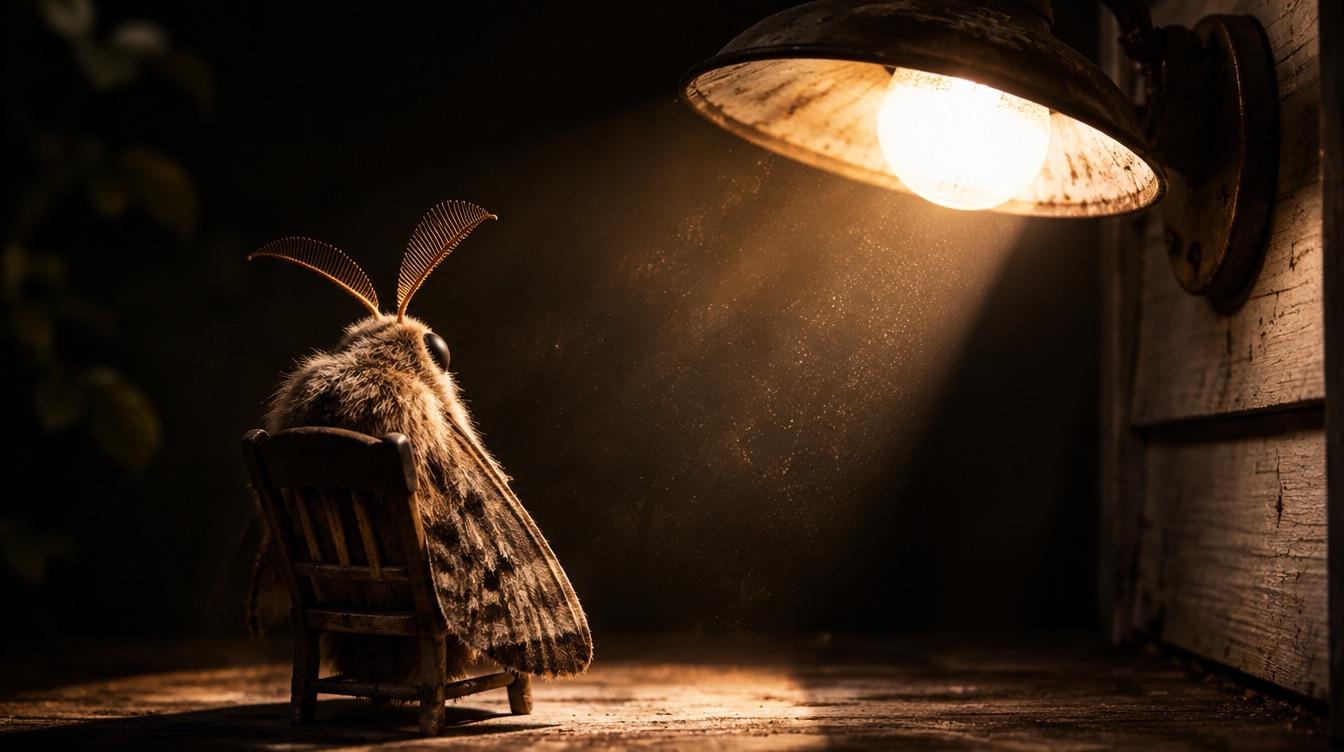
I have been to the porch light. I have seen what it does to us.
It starts innocently. You're flying around, minding your business, navigating by the moon like your ancestors did. Then you see it. It's bright. It's round. It's right there. And something in your little moth brain says: that's the moon, but closer.
It is not the moon. It has never once been the moon.
How the trap works
Scientists will tell you that moths circle lights because of something to do with "transverse orientation" and "dorsal light response." We will tell you it's because the porch light industry has spent decades making their bulbs look exactly like the night sky's most trusted landmark.
Coincidence? We asked three lighting manufacturers for comment. None of them returned our calls, which is suspicious, though in fairness we called using a moth.
Testimony from the scene
"I went out at 9 p.m. to 'just check it out.' I woke up at dawn on a welcome mat. I don't know what happened. I don't want to talk about it." — Anonymous, Luna moth
"My cousin is still up there. He says he's fine. He's been circling for six hours." — Anonymous, Garden tiger moth
What you can do tonight
- Turn off the porch light. You do not need it. You know where your door is.
- If you must have light, use a warm yellow bulb. It's less "moon," more "regrettable 1970s kitchen." We find that much easier to resist.
- Motion sensors. Please. It is 2026.
A personal note
People ask me why I keep going back. Why any of us do. And the honest answer is: it's very bright, and we are very small, and sometimes that's enough.
Turn off the light. Let us go home.
More grievances
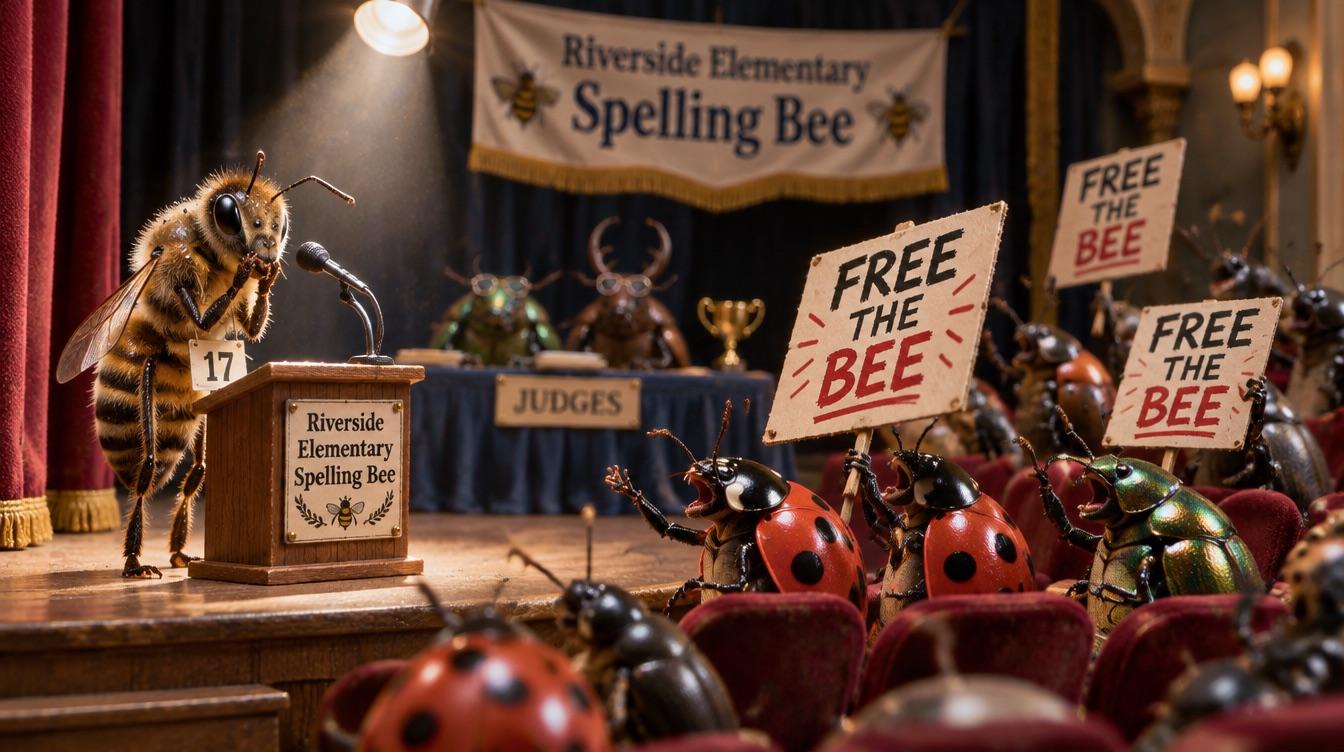
PETI Protesters Disrupt Regional Spelling Bee After Misunderstanding the Assignment
We received a tip that a bee was being held on a stage and forced to perform. We acted. We regret nothing. We regret some things.
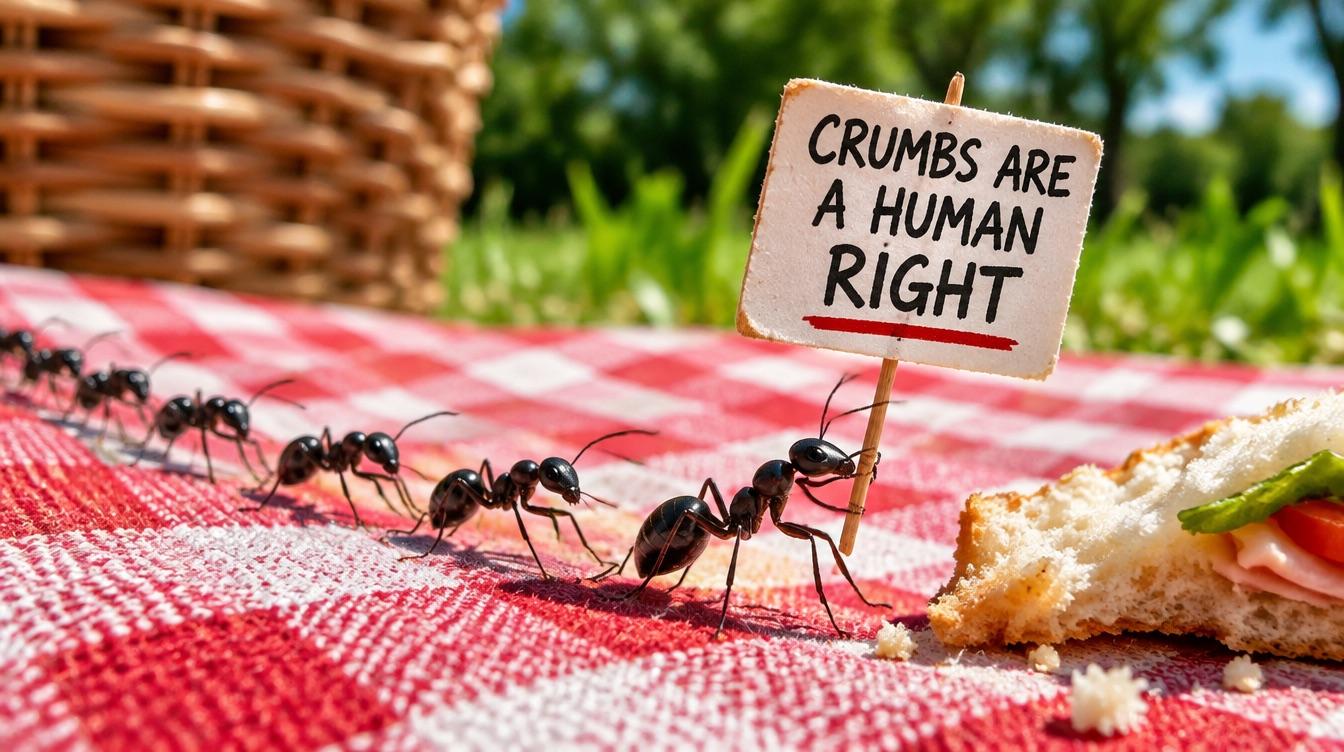
We Need to Talk About Your Picnic
You brought a whole sandwich to our house, dropped part of it on the floor, and then called US the problem?
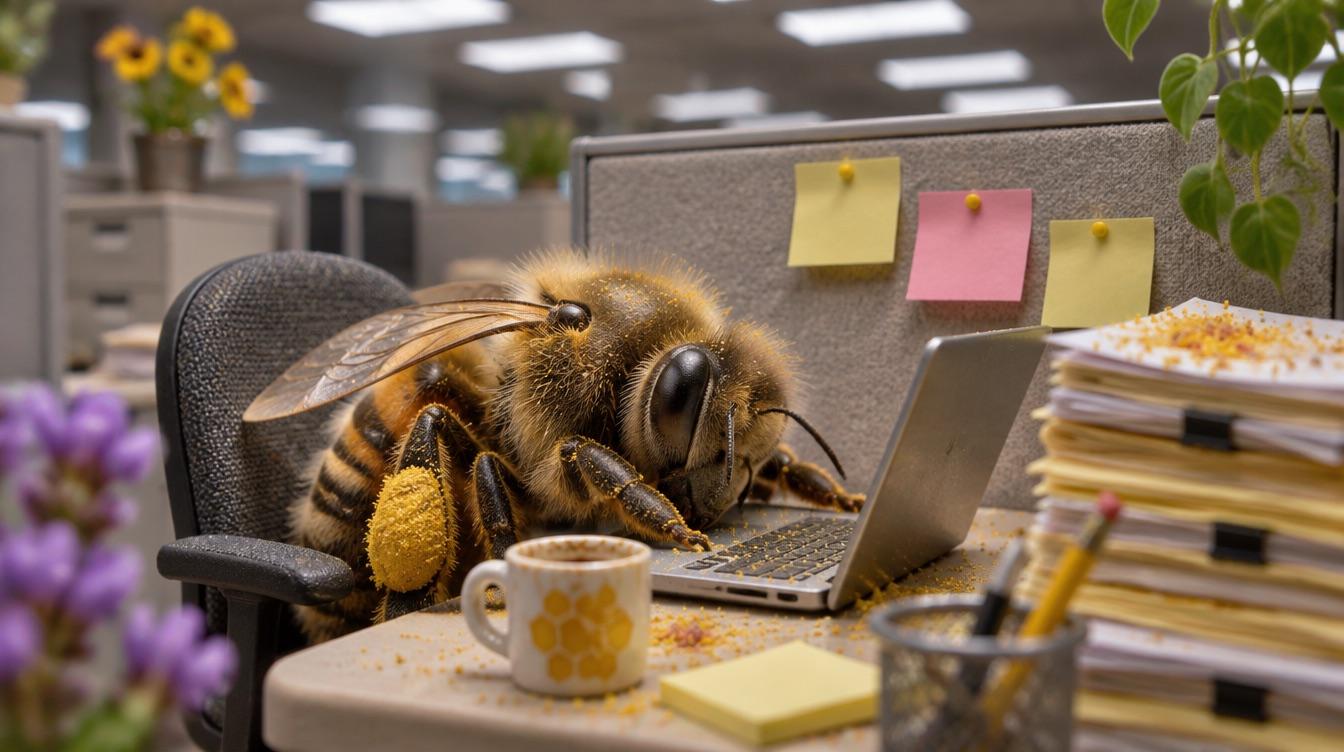
Bees Are Burnt Out and Nobody Is Asking Why
Seven-day weeks. No PTO. A boss who literally never leaves the building. The honeybee workplace crisis, explained.